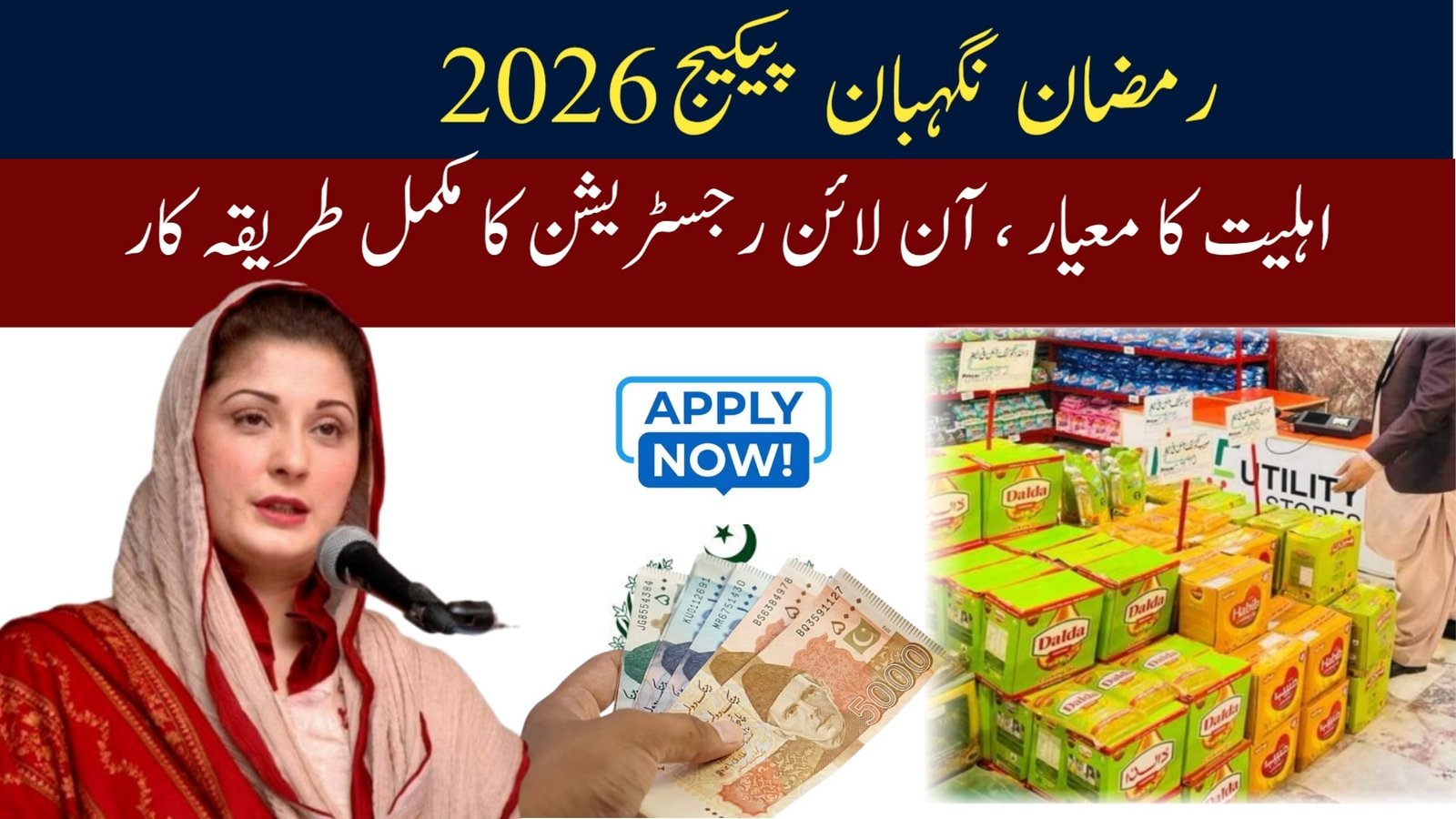
The Punjab Government has officially introduced the Ramadan Nigehban Package Card 2026, a comprehensive social welfare program aimed at providing timely financial relief to low-income and deserving families during the holy month of Ramadan. With inflation placing increasing pressure on household budgets, this initiative reflects a strong commitment to social protection, transparency, and dignity-based assistance. A total relief budget of Rs. 30 billion has been allocated, making it one of the largest targeted Ramadan support programs in Punjab’s history.
Unlike previous years, the 2026 package replaces manual pay orders with a modern ATM card-based payment system, ensuring faster access to funds, reduced administrative delays, and better accountability. Eligibility and selection are strictly linked with the Punjab Socio-Economic Registry (PSER), which serves as the foundation for all provincial welfare initiatives.
Overview of Ramadan Nigehban Package Card 2026
The Ramadan Nigehban Package Card 2026 has been designed to deliver relief before the start of Ramadan so families can manage essential household expenses without financial stress. By relying on verified socio-economic data rather than manual recommendations, the government aims to ensure that assistance reaches only genuinely deserving households.
This program focuses on fairness, digital transparency, and ease of access. Beneficiaries receive financial assistance through Bank of Punjab ATM cards, allowing them to withdraw cash instantly from authorized ATMs without involving intermediaries.

The BOP Negahban Card has been introduced under the CM Punjab Ramadan Nigehban Package 2026 to ensure fast, transparent, and dignified cash assistance for deserving families. Instead of pay orders,…
Continue Reading BOP Negahban Card Money Withdrawal – Complete Guide 2026
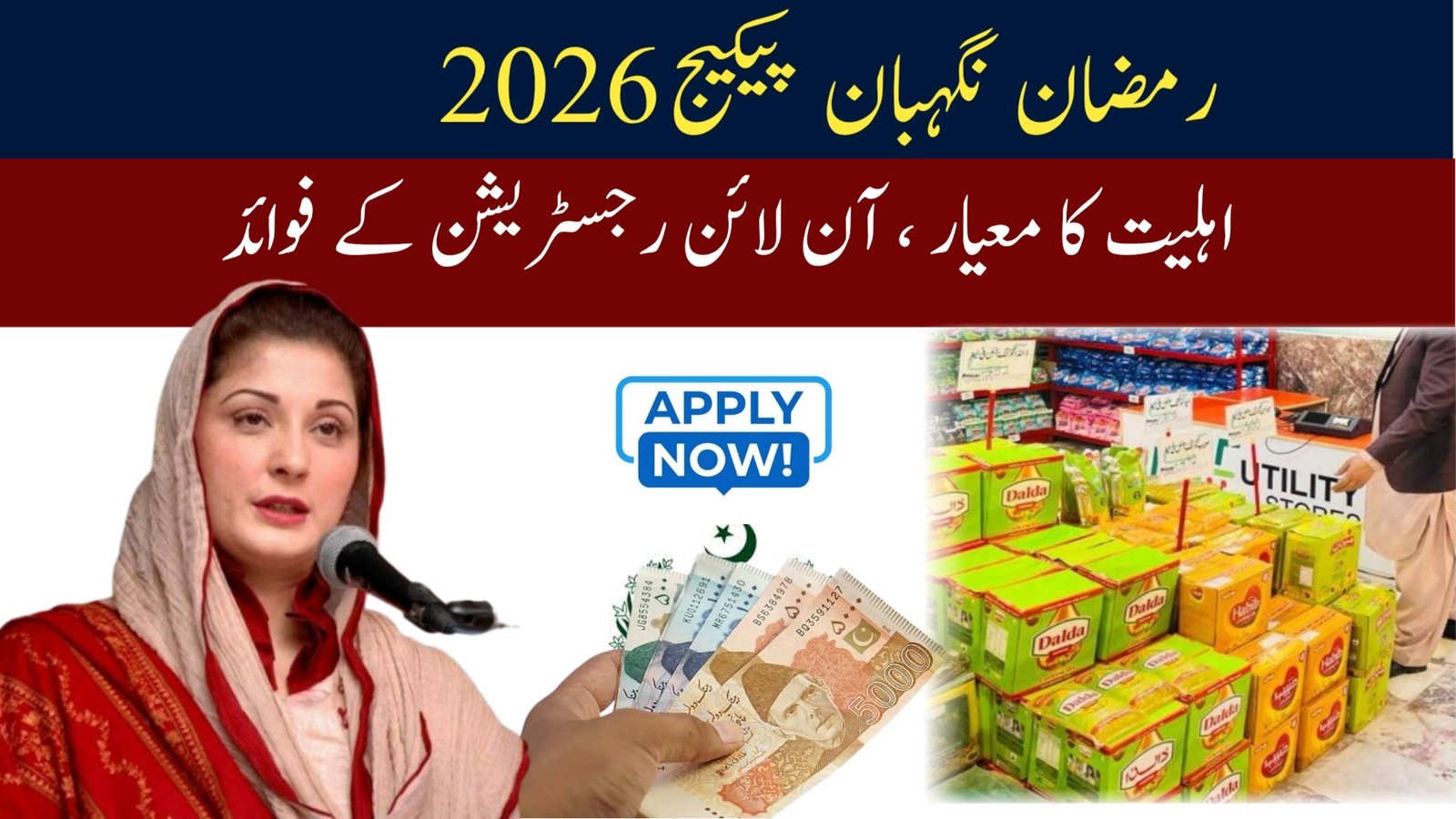
The CM Punjab Ramzan Package 2026 Online Apply process has been introduced to ensure that financial relief reaches deserving families across Punjab in a transparent and dignified manner. Keeping in…
Continue Reading CM Punjab Ramzan Package 2026 Online Apply – Eligibility, PSER & Complete Guide

The CM Punjab Ramadan Nigehban Package Card 2026 is a flagship welfare initiative launched by the Punjab Government to provide direct financial relief to low-income and deserving families during the…

The Ramzan Rashan Program 2026 is a major Punjab government relief scheme designed to support low-income families during Ramadan. This program, also known as the Nigehban Ramzan Package 2026, provides…
Continue Reading How To Apply For Ramzan Rashan Program 2026 – Complete Guide
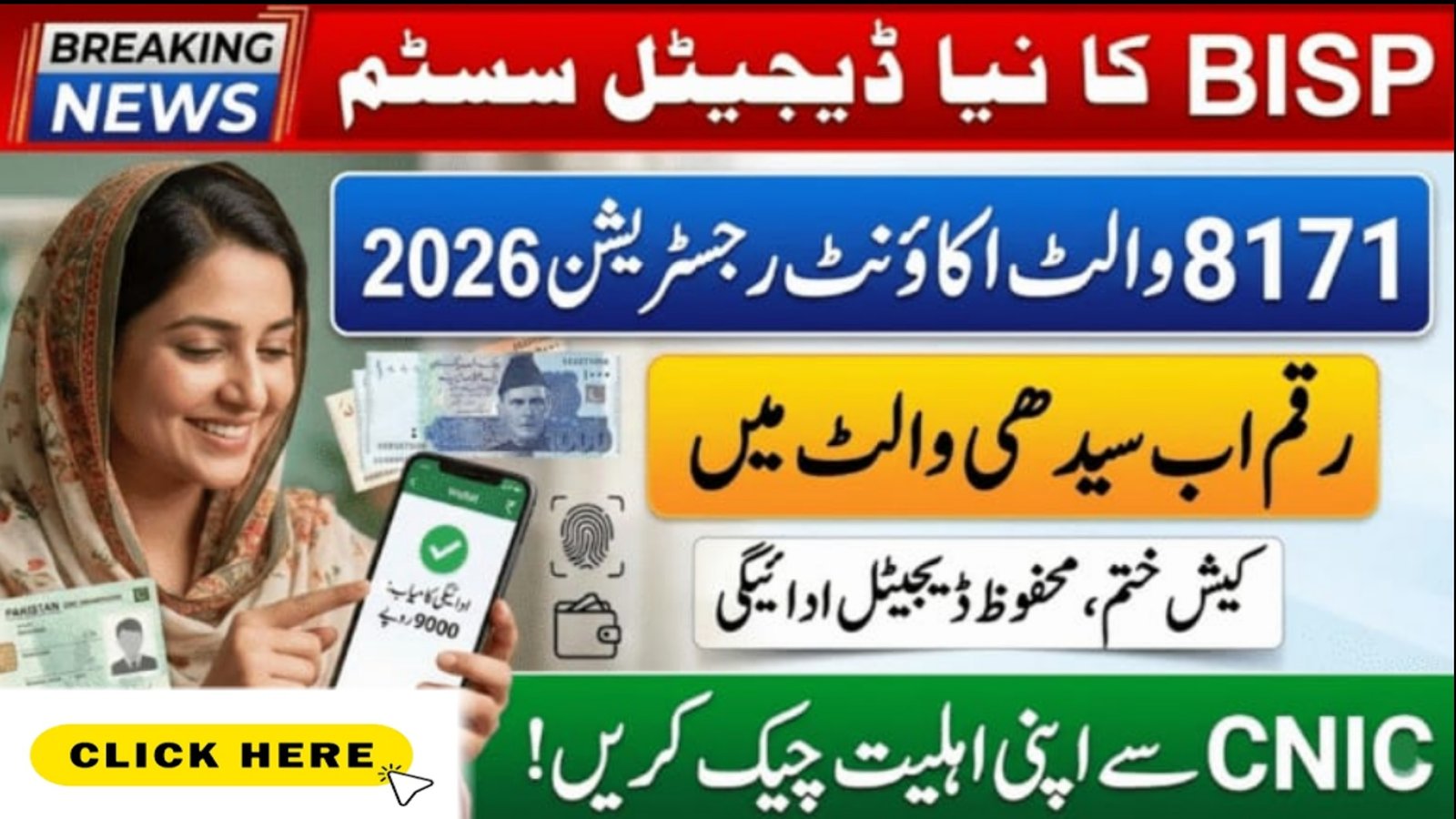
The Benazir Income Support Programme (BISP) has introduced a major change in 2026 for distributing cash support to women. Instead of the old cash centers, BISP now uses a digital…
Continue Reading Latest Update: BISP 8171 Wallet Account Registration 2026
The BISP 8171 web portal payment status 2026 allows beneficiaries of the Benazir Income Support Programme (BISP) to check their January installment online or via SMS. For January 2026, most…
Continue Reading How To Register And Check Latest BISP Payment Status 2026

The Ramzan Negahban Card Online Registration 2026 is a major Punjab Government Ramzan relief scheme launched to support low-income and deserving families during Ramzan 2026. Under this Ramzan Negahban Card…
The Negahban Ramzan Package 2026 is a Punjab government welfare program designed to support low-income families during Ramadan. This initiative provides food and cash assistance to help households manage essential…
Continue Reading Today Update: How To Check Eligibility And Register Online Negahban Ramzan Package

The PSER Survey 2026 is an important welfare initiative of the Punjab Government aimed at providing relief to low-income families during Ramadan. Through PSER online registration, eligible households can receive…
The CM Punjab Nigehban Ramzan Package 2026 is a flagship Ramzan relief scheme launched by the Punjab Government to support low-income families in Punjab. This Nigehban Ramzan Program 2026 focuses…
Continue Reading Today Update: Benefits Of CM Punjab Nigehban Ramzan Package 2026
The Apni Chhat Apna Ghar Scheme 2026 is a flagship program by the Punjab Government providing interest-free loans to low- and middle-income families. This scheme helps eligible families in Punjab…
Continue Reading Today Update: How To Apply Online For Apni Chhat Apna Ghar Scheme 2026
The Benazir Taleemi Wazaif Payment 2026 is an important education support program under BISP 8171 that helps children from poor and deserving families continue their schooling. This program provides regular…
Continue Reading How To Check Benazir Taleemi Wazaif Payment Online In 2026

The 8070 Registration Online 2026 process has become one of the most searched topics in Pakistan as low-income families prepare for Ramzan. The Punjab Government has introduced the 8070 Muft…
Continue Reading Today Update: 8070 Registration Online 2026 – Complete Guide for Muft Rashan Scheme
The Punjab Scholarship Card Program 2026 is a major education support initiative launched by the Punjab Government to help students continue their studies without financial stress. With rising costs of…
Continue Reading Today Update: How To Apply For Punjab Scholarship Card (Online)
The BISP 8171 Payment Card 2026 is a major support facility for families registered under the Benazir Income Support Programme (BISP). In 2026, the government has increased the quarterly Kafaalat…
Continue Reading Today Update: How To Get BISP 8171 Payment Card 2026
The Benazir Taleemi Wazaif Payment is a key social welfare initiative by the Government of Pakistan aimed at supporting children from low-income families. The program ensures students remain enrolled in…
Continue Reading How To Check Benazir Taleemi Wazaif Payment Status 2026

The Punjab Green Tractor Scheme 2026 is a flagship agricultural support program by the Punjab Government designed to provide subsidized tractors to farmers. This program helps small, medium, and large…
Continue Reading How To Check Punjab Green Tractor Scheme Winner List 2026
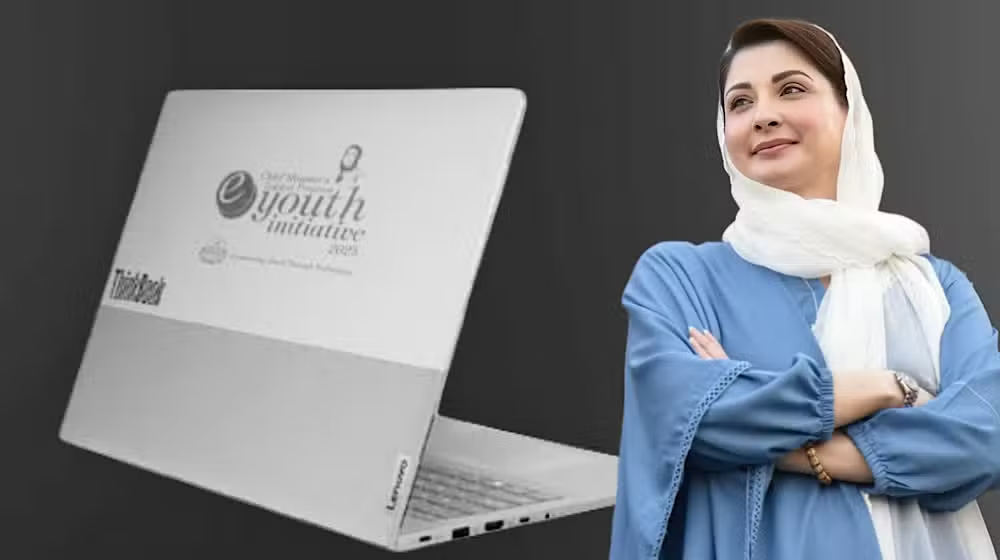
The Punjab Laptop Scheme 2026 is a major Punjab government education initiative aimed at promoting digital learning, technology access, and equal education opportunities for students. In 2026, the scheme has…
Continue Reading How To Apply For Punjab Laptop Scheme Online 2026

The Zewar e Taleem Program 2026 is a key Punjab Government education scheme that supports girls’ education in government schools by providing monthly financial help to low-income families. This program…
Continue Reading Today Update: Eligibility Criteria For Zewar e Taleem Program 2026
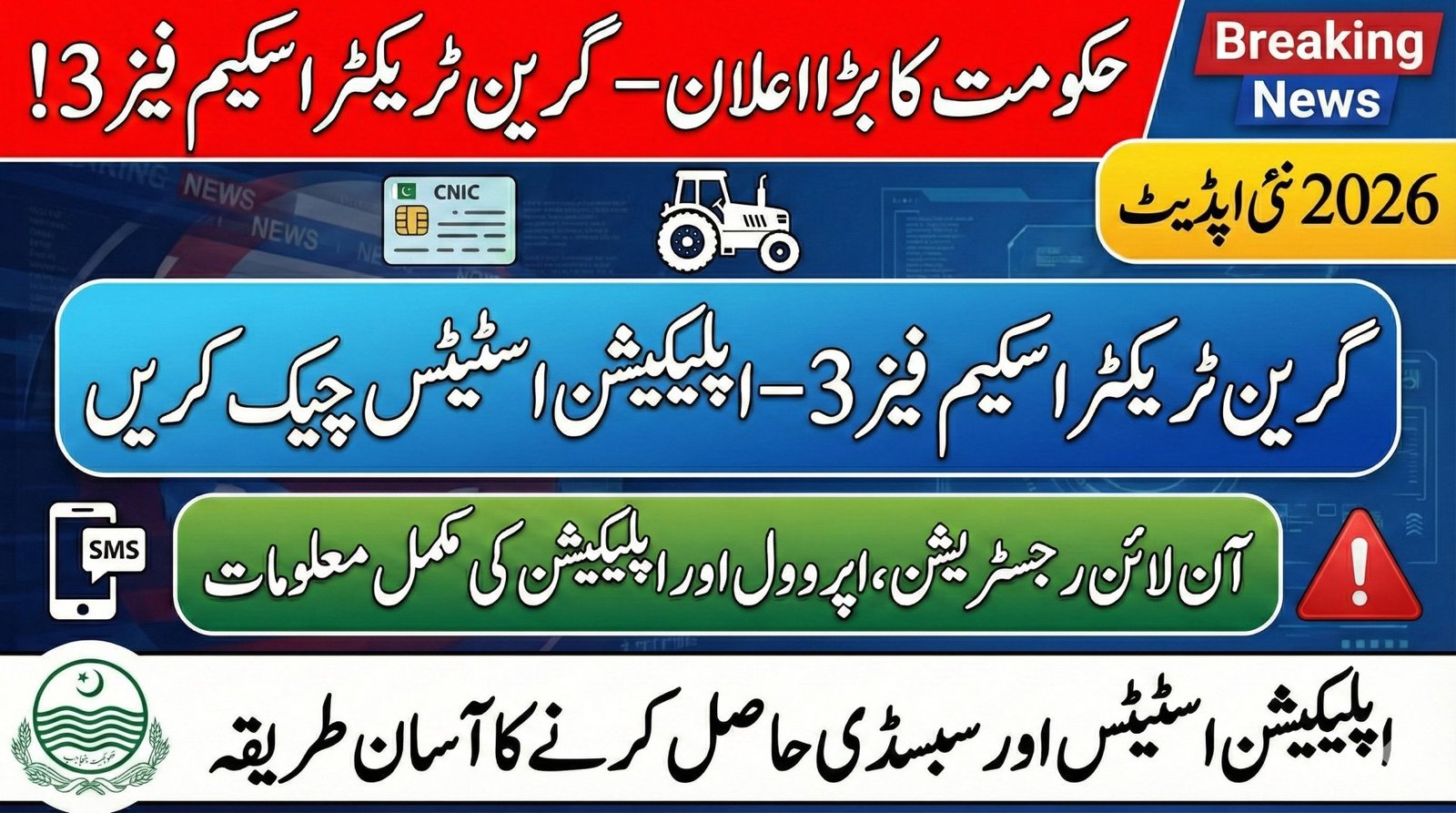
Checking the Green Tractor Scheme Phase 3 application status is very important for farmers who have applied for this government subsidy program. This online facility helps applicants confirm whether their…
Continue Reading How To Check Green Tractor Scheme Phase 3 Application Status
Key Information at a Glance
| Category | Details |
|---|---|
| Program Name | Ramadan Nigehban Package Card 2026 |
| Total Relief Budget | Rs. 30 Billion |
| Operational Budget | Rs. 4 Billion |
| Payment Method | Bank of Punjab ATM Cards |
| Eligibility System | Punjab Socio-Economic Registry (PSER) |
| Card Distribution | Tehsil-Level Camps |
| PSER Deadline | 15 February 2026 |
Rs. 30 Billion Relief Budget and Its Purpose
The Punjab Government will distribute Rs. 30 billion among eligible households before Ramadan begins. This amount is intended to reduce the burden of rising food prices, utilities, and other essential expenses during the holy month. The relief is structured to support families in a dignified manner without long queues, political influence, or uncertainty.
This targeted distribution model ensures that limited public resources are used efficiently while maximizing impact for households that need support the most.
Approval of Rs. 4 Billion Operational Budget
To ensure smooth execution, the government has approved a separate Rs. 4 billion operational budget. This funding supports administrative management, card preparation, verification processes, logistics, and awareness campaigns. Approximately Rs. 3.5 billion is dedicated to technical and financial operations managed through the Bank of Punjab, while Rs. 500 million has been reserved for public information and outreach.
Officials emphasize that this operational investment is critical for timely delivery and prevention of delays or system failures during peak demand.
Introduction of ATM Cards Instead of Pay Orders
A major improvement in 2026 is the transition from pay orders to ATM cards. In previous years, beneficiaries faced delays, travel costs, and verification issues while collecting pay orders. The new system allows instant cash withdrawal, reduces paperwork, and eliminates middlemen.
This digital approach significantly lowers the risk of duplication, fraud, and misuse while giving beneficiaries full control over how and when they access their assistance.
Role of Bank of Punjab (BOP)
The Bank of Punjab plays a central role in implementing the Ramadan Nigehban Package Card 2026. As a government-owned institution, BOP is responsible for card issuance, fund transfers, ATM network access, and technical support. Its involvement strengthens trust, ensures secure transactions, and enables real-time monitoring of disbursements.
Tehsil-Level ATM Card Distribution
To improve accessibility, ATM cards will be distributed through special camps established at the Tehsil level. This decentralized approach minimizes travel costs for beneficiaries and reduces congestion at central offices. Localized distribution ensures that rural and urban households receive equal access to relief without unnecessary hardship.
Importance of PSER for Eligibility
The Punjab Socio-Economic Registry (PSER) is the backbone of the Ramadan Nigehban Package 2026. PSER maintains verified household data, including income levels, family size, employment status, and living conditions. Only households registered and verified in PSER are eligible for the Ramadan package.
This system prevents duplicate assistance, improves targeting accuracy, and ensures that relief reaches families based on need rather than influence.
How to Complete PSER Registration Online
Citizens can register through the official PSER portal by visiting:
Official Website: https://pser.punjab.gov.pk
Applicants must use their CNIC and a registered mobile number to create an account. After logging in, households are required to provide accurate information regarding income, dependents, housing, and employment. Careful review before submission is essential, as incorrect data may delay verification.
Offline PSER Registration Option
For citizens without internet access, PSER registration is also available at Union Council offices. Trained staff assist applicants in entering data directly into the system after CNIC verification. This option ensures inclusion of elderly citizens, rural households, and underserved communities.
PSER Registration Deadline
The last date to complete PSER registration is 15 February 2026. Late registration may result in exclusion from the Ramadan Nigehban Package. Early registration allows sufficient time for verification and reduces the risk of missing out on assistance.
Public Awareness Campaign
To ensure that no deserving family is left uninformed, the government has launched a wide-ranging awareness campaign funded by Rs. 500 million. Television, print, and digital platforms are being used to communicate eligibility criteria, registration steps, and deadlines clearly.
Government Objectives Behind the Program
The Ramadan Nigehban Package Card 2026 aims to provide timely relief, promote transparency through digital payments, strengthen data-driven welfare delivery, and protect the dignity of beneficiaries. Officials highlight that modern data systems like PSER are essential for sustainable and fair social protection.
Official Helpline for Support
Citizens facing difficulties with registration or verification can contact the official helpline:
Helpline Number: 0800-02345
Support is available for PSER-related queries and Ramadan package information.
Conclusion
The Ramadan Nigehban Package Card 2026 represents a major step forward in Punjab’s welfare framework. With a Rs. 30 billion relief budget, ATM-based payments, and PSER-driven eligibility, the program ensures fairness, efficiency, and transparency. Families are strongly encouraged to complete PSER registration before the deadline so they can benefit from Ramadan relief and future government support programs throughout 2026.